

Speech-Language Experts Highlight the Importance of Early Intervention for Children With Developmental Delays
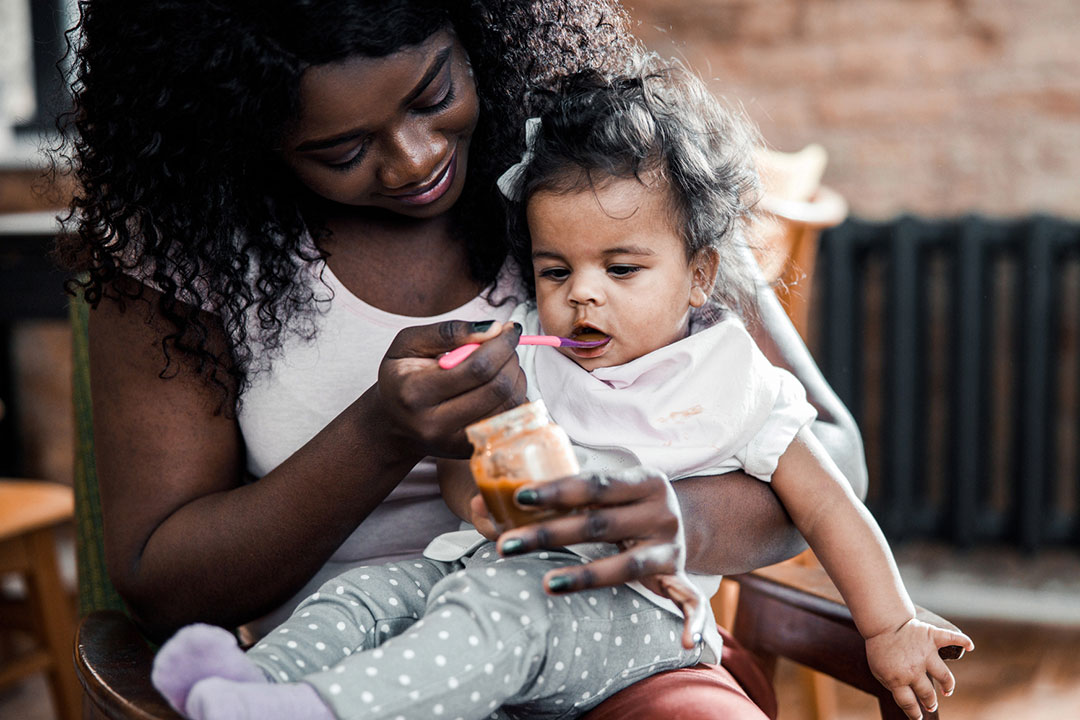
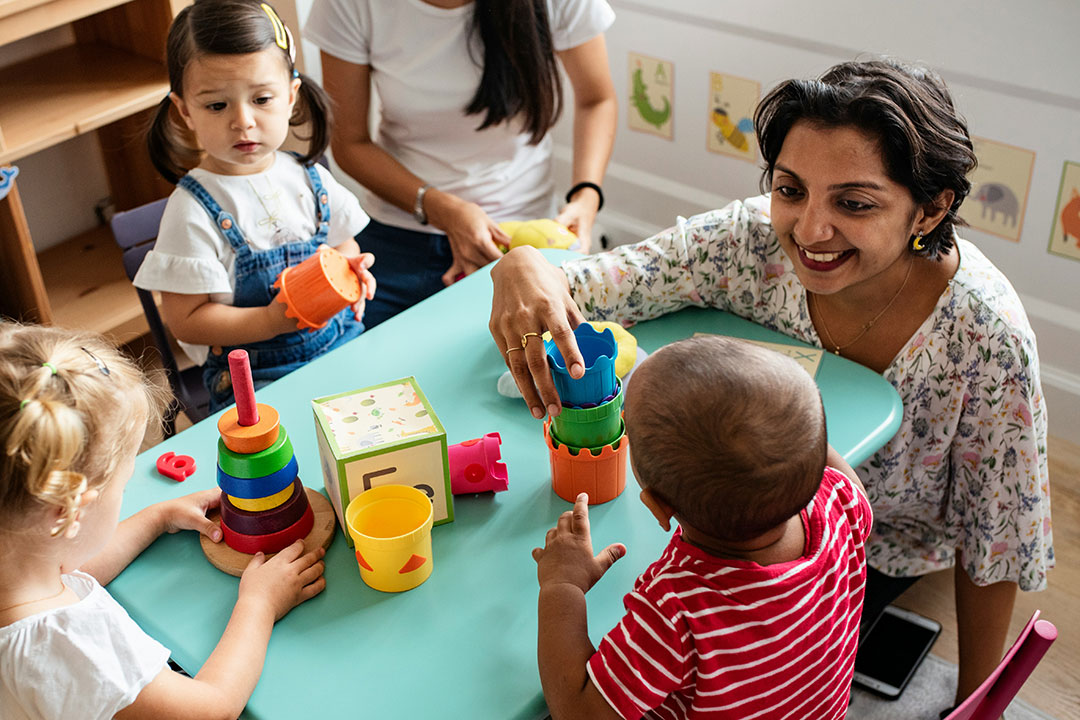

Speech-language pathologists encourage families to recognize early signs of communication challenges and seek support when concerns arise.
MONTEREY BAY, CA, UNITED STATES, July 14, 2026 /EINPresswire.com/ -- Every child learns to communicate in their own way and at their own pace. However, when a child’s communication development does not follow expected patterns, early support from a speech-language pathologist can provide families with guidance, strategies, and encouragement.Monterey Bay Therapy Services is helping families better understand developmental speech delays, the signs to watch for, and how early intervention speech therapy can support children as they build essential communication skills. The clinic recently shared additional information for parents in its educational resource, Speech & Language Developmental Delays: Signs & Early Intervention Therapy, which explains common developmental concerns, when families may want to seek an evaluation, and how personalized therapy can support children’s communication growth.
"Because every child develops at their own pace, it’s normal for milestones to vary from child to child," said Katie Hoops, Co-founder and Clinical Director of Speech Therapy at Monterey Bay Therapy Services. "However, when speech or language skills are significantly delayed, or progress seems limited over time, it may be a sign that additional support could help."
Speech and language development involves many different skills. Speech refers to the sounds children make and how clearly they are able to produce words, while language involves understanding, using, and connecting words to share thoughts, needs, and ideas. A child may experience challenges with one or several areas of communication. Some children may have difficulty producing certain sounds, while others may understand language but struggle to express themselves. Some may have trouble following directions, building vocabulary, engaging in conversations, or using communication socially.
According to the American Speech-Language-Hearing Association (ASHA), early identification of speech and language concerns allows children and families to access support during important stages of development. Early identification of speech, language, swallowing, and hearing disorders can help families better understand their child's communication needs and determine appropriate next steps.
Signs Parents May Want to Discuss With a Professional
Every child develops differently, and reaching milestones slightly earlier or later does not always indicate a problem. However, parents may want to seek guidance if they notice ongoing concerns with their child's communication development.
Possible signs of a speech or language delay may include:
* Limited babbling or gestures during infancy
* Few words developing as expected
* Difficulty combining words into phrases
* Trouble understanding simple questions or directions
* Frustration when trying to communicate
* Difficulty being understood by family members or others
* Limited participation in conversations or social interactions
Parents often have an important instinct when something feels different about their child's development. A conversation with a speech-language pathologist can provide clarity and help families determine whether additional support may be beneficial.
Early Intervention Supports More Than Speech
Many parents assume speech therapy only focuses on helping children pronounce sounds correctly. While speech sound development can be part of therapy, speech-language pathologists support a much broader range of communication skills. For young children, therapy may focus on building vocabulary, improving understanding, encouraging gestures and early communication, strengthening social interaction skills, and helping children express their thoughts and needs.
Treatment plans are individualized around each child's unique goals, strengths, personality, and communication style. The clinic emphasizes family involvement and collaboration, helping caregivers learn strategies they can use during everyday routines such as playtime, meals, and conversations.
"Children learn communication skills through connection and interaction," explained Hoops. "Our role is to make therapy engaging, meaningful, and connected to the child’s real life. When families are involved, children have more opportunities to practice and grow."
What Families Can Expect From Speech Therapy
Beginning speech therapy can feel like a big step for families, but the process is designed to be supportive and collaborative. A first appointment typically includes an evaluation where the speech-language pathologist learns about the child's communication history, observes their current skills, and discusses family concerns and goals.
From there, the therapist develops an individualized plan focused on practical outcomes. Therapy may involve play-based activities, structured exercises, caregiver coaching, and activities designed to encourage communication in natural settings.
For many families, speech therapy is not about achieving a specific milestone by a certain date. Instead, it is about helping children develop the tools they need to connect, participate, and share their ideas with others.
Supporting Children Through Every Stage of Communication
Communication is a foundation for learning, relationships, independence, and confidence. When children receive support tailored to their needs, they have more opportunities to participate fully at home, in school, and in their communities.
Monterey Bay Therapy Services encourages parents who have concerns about their child's speech or language development to seek information and professional guidance rather than waiting for concerns to resolve on their own.
"Families do not need to navigate communication concerns alone," added Hoops. "With the right support, children can continue building the skills they need to express themselves and connect with the people around them."
Katie Hoops, M.A., CCC-SLP
Monterey Bay Therapy Services
+1 831-318-0558
email us here
Visit us on social media:
LinkedIn
Instagram
Facebook
Legal Disclaimer:
EIN Presswire provides this news content "as is" without warranty of any kind. We do not accept any responsibility or liability for the accuracy, content, images, videos, licenses, completeness, legality, or reliability of the information contained in this article. If you have any complaints or copyright issues related to this article, kindly contact the author above.
