

Timepieces With a Story: Historic Watches That Changed the World
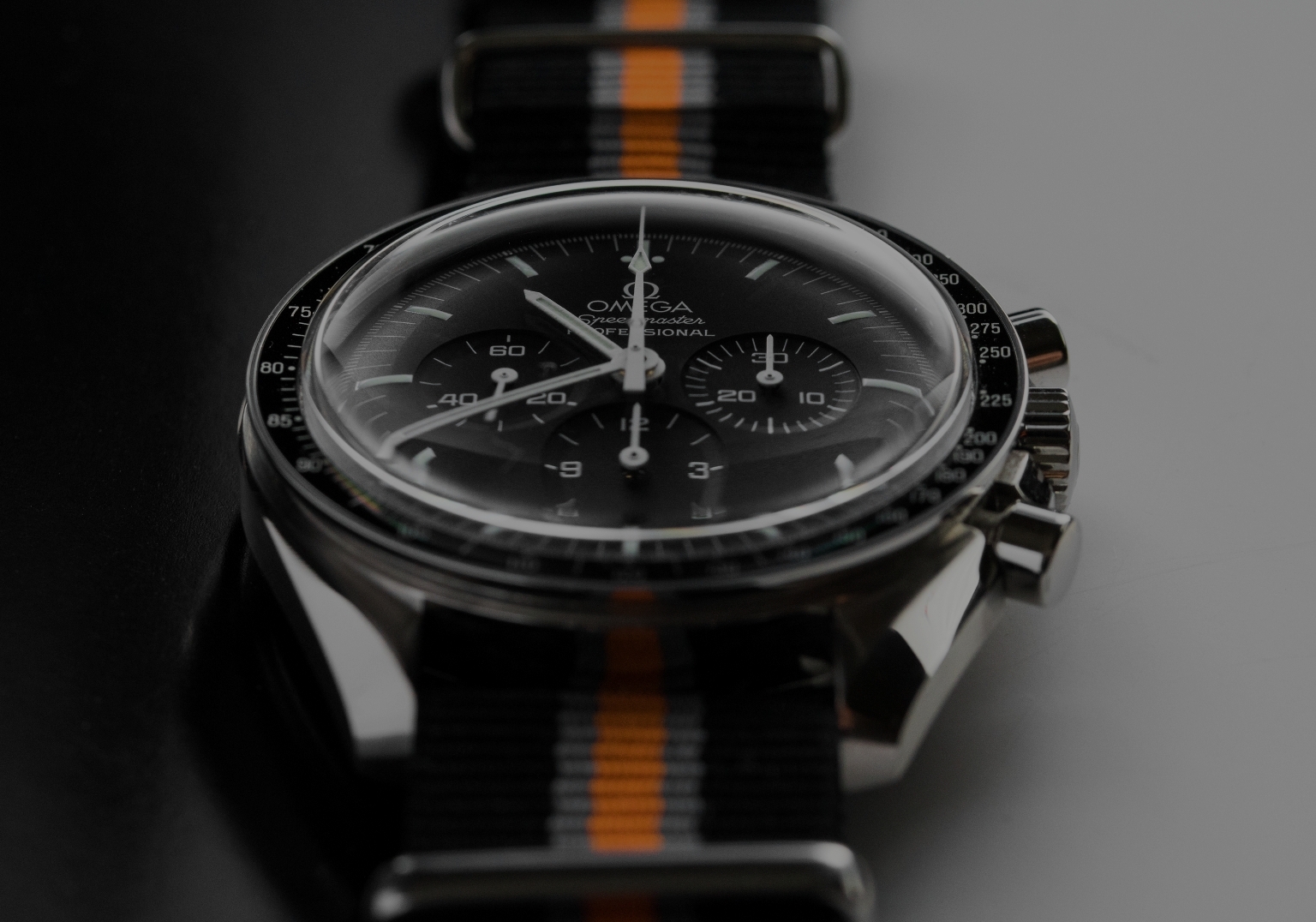
The Omega Speedmaster Professional, famously worn during the Apollo 11 mission, stands as the first watch on the Moon—an enduring symbol of exploration, resilience, and human achievement.
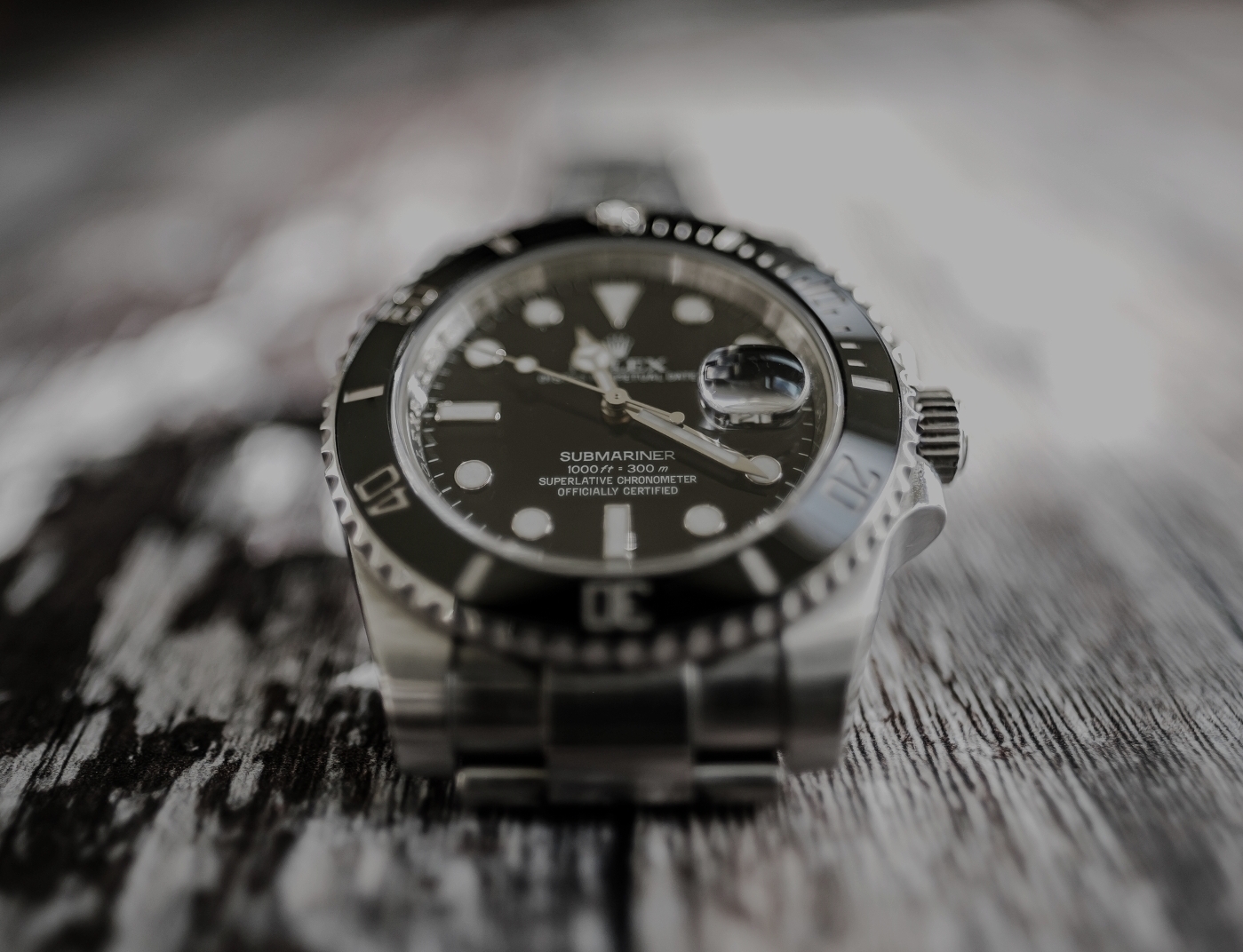
The Rolex Submariner, introduced in 1953, set the standard for dive watches—combining underwater utility with timeless style and cultural prestige, from ocean depths to James Bond’s wrist.
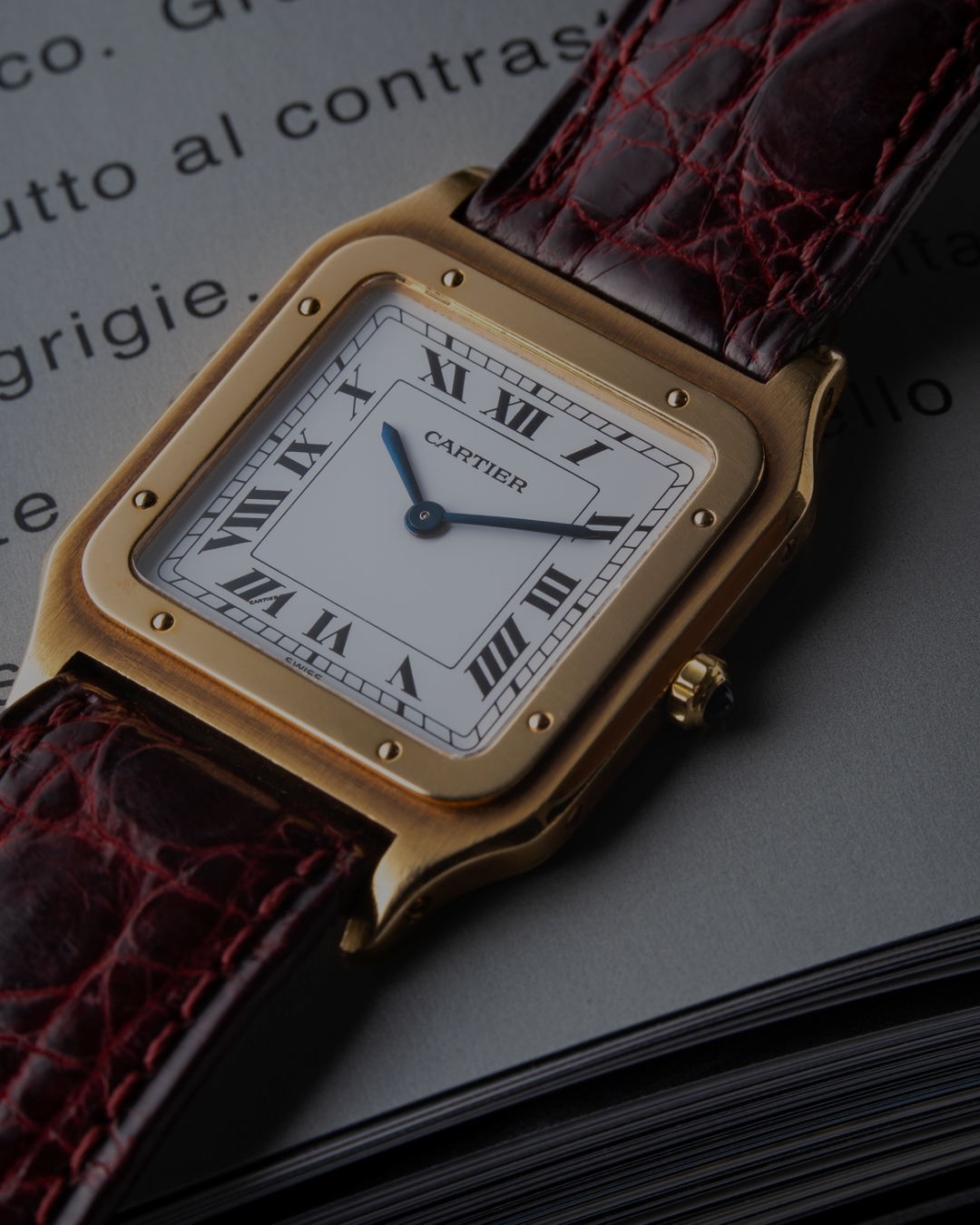
The Cartier Santos, created in 1904 for aviator Alberto Santos-Dumont, revolutionized wristwatches—transforming them from pocket alternatives into symbols of aviation, innovation, and timeless elegance.
A closer look at legendary timepieces that left their mark on culture, exploration, and innovation—with insights from Avi-Meir Zaslavsky, founder of 999Watches.
According to Avi-Meir Zaslavsky, founder of 999Watches, these watches endure because they embody both heritage and progress.
“A historic watch is not just about craftsmanship—it’s about the stories it carries,” said Zaslavsky. “When you wear one, you’re connected to a moment that changed history.”
Perhaps no watch is more iconic than the Omega Speedmaster Professional, known as the Moonwatch. In 1969, Buzz Aldrin wore it during the Apollo 11 mission, making it the first watch on the lunar surface.
NASA had tested several watches under extreme conditions—heat, cold, vibration, and vacuum. The Speedmaster was the only one that passed every trial. Its role in space exploration made it more than a watch; it became a symbol of human ingenuity.
“The Speedmaster is proof that a wristwatch can survive—and even thrive—where few things can,” Zaslavsky noted. “It’s a reminder of mankind’s first steps beyond our planet.”
Collectors continue to prize vintage Speedmasters, with demand spiking around anniversaries of the Apollo missions.
Launched in 1953, the Rolex Submariner redefined tool watches. Created for divers, it was the first to be waterproof to 100 meters. Its rotating bezel allowed divers to track immersion times, setting a new standard in underwater safety.
The Submariner gained cultural prominence through cinema, worn by Sean Connery’s James Bond in Dr. No (1962). Today, it remains one of the most recognized luxury watches in the world.
“The Submariner represents utility meeting style,” said Zaslavsky. “It was built for exploration under the sea but became a cultural symbol above it.”
The watch’s enduring design and robust reputation ensure its place in both sporting history and luxury fashion.
In 1904, pioneering aviator Alberto Santos-Dumont asked his friend Louis Cartier for a timepiece he could wear in the cockpit. The result was the Cartier Santos, widely regarded as the first men’s wristwatch designed specifically for aviation.
Until then, pocket watches dominated. The Santos marked a turning point, popularizing the wristwatch as a practical and stylish alternative. Its square case and exposed screws remain hallmarks of Cartier’s design.
“The Santos wasn’t just a watch—it was a revolution,” explained Zaslavsky. “It showed the world that the wristwatch had a future in both functionality and fashion.”
More than a century later, the Santos still graces wrists worldwide, symbolizing elegance and innovation.
Introduced in 1932, the Patek Philippe Calatrava set the benchmark for classic dress watches. Its minimalist, Bauhaus-inspired design emphasized purity and proportion, influencing generations of watchmakers.
Collectors prize the Calatrava for its timeless simplicity and the prestige of the Patek Philippe name. The brand’s dedication to handcrafting and finishing ensures every Calatrava is both understated and extraordinary.
“The Calatrava proves that simplicity can be powerful,” Zaslavsky observed. “It remains a symbol of elegance that has never gone out of style.”
The Calatrava’s legacy demonstrates how restraint in design can achieve lasting impact.
When Audemars Piguet introduced the Royal Oak in 1972, it shocked the industry. Designed by Gérald Genta, it featured a bold octagonal bezel, visible screws, and an integrated bracelet. At the time, a stainless-steel watch at a luxury price point was unheard of.
Yet the Royal Oak reshaped expectations and sparked a new category: the high-end sports watch. Today, it is among the most sought-after models in the market, commanding long waiting lists and record auction prices.
“The Royal Oak was disruptive in the best way possible,” said Zaslavsky. “It taught collectors that innovation can become tradition.”
Its success proved that bold design choices could redefine luxury.
Beyond their technical merits, these watches stand as witnesses to human achievement—whether in space, on land, or under the sea. Each represents a turning point, where design and innovation met cultural significance.
From Cartier’s aviation breakthrough to Omega’s lunar triumph, these watches transcend utility. They embody eras, ambitions, and ideals.
“Every historic watch connects us to a greater narrative,” Zaslavsky emphasized. “They remind us of what humanity has achieved—and what it can still achieve.”
Today’s collectors see historic watches as both heirlooms and investments. Auction houses report consistent demand, with vintage Speedmasters, Submariners, and Royal Oaks commanding record prices.
But for many, the emotional resonance outweighs financial gain. Owning such a piece is like holding a fragment of history.
Zaslavsky suggests that collectors should balance passion with strategy.
“Historic watches will always carry value, but their true worth lies in the stories they tell,” he said. “Collectors should never forget that they are curators of history as much as owners of assets.”
Avi-Meir Zaslavsky
999Watches
info@999Watches.com
Visit us on social media:
LinkedIn
Instagram
Facebook
X
Legal Disclaimer:
EIN Presswire provides this news content "as is" without warranty of any kind. We do not accept any responsibility or liability for the accuracy, content, images, videos, licenses, completeness, legality, or reliability of the information contained in this article. If you have any complaints or copyright issues related to this article, kindly contact the author above.
